25 Sep 2026
UK Gambling Sector CEO Highlights Risks from Potential Machine Games Duty Rise
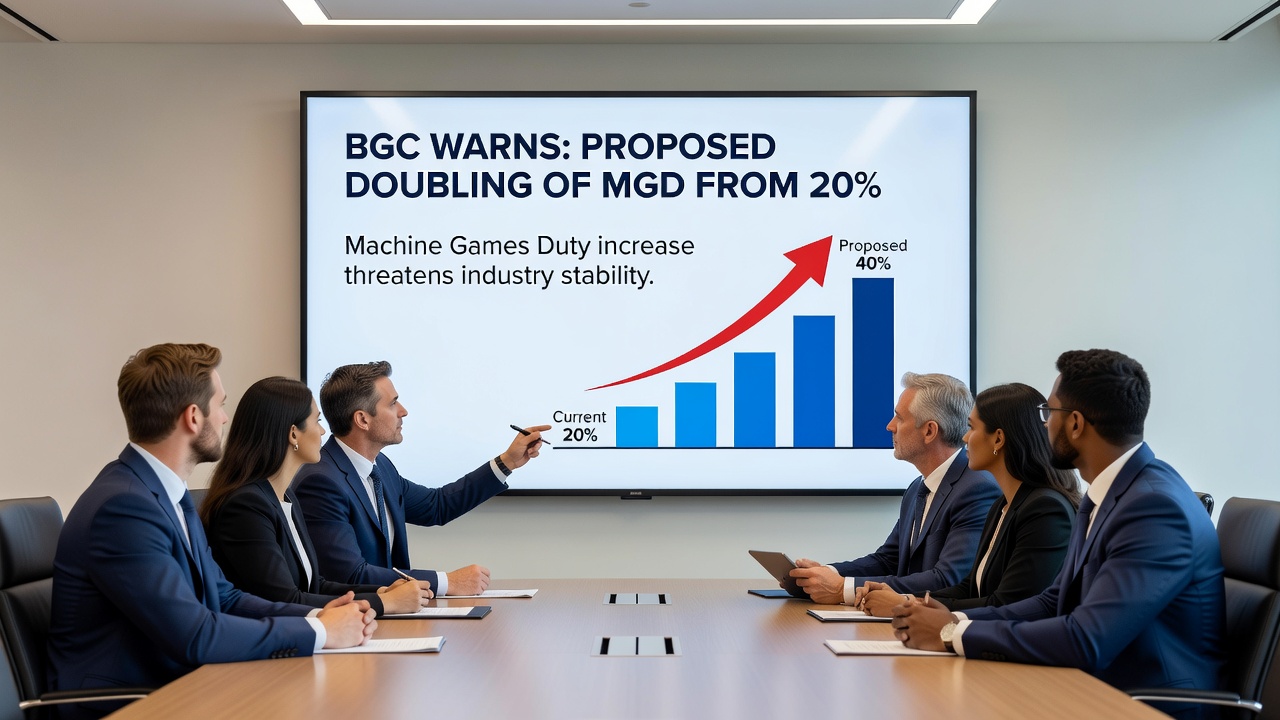
 Grainne Hurst, chief executive of the Betting and Gaming Council, delivered a direct assessment of the consequences that could follow an increase in Machine Games Duty from the current 20 percent rate to 40 percent. Economic modelling released in September 2026 underpins the figures she presented, which project up to 16,000 positions eliminated across the sector, close to 1,500 betting shops shuttered, and as many as 34 casinos forced to cease operations. The analysis further indicates that the Treasury itself stands to lose £124 million in net revenue once secondary effects from reduced employment and business activity are taken into account. Hurst framed the warning against a backdrop of sustained cost pressures and earlier regulatory adjustments that have already reshaped the industry. More than 3,000 betting shops have closed their doors since 2019, a contraction that predates the current proposal yet illustrates the cumulative strain operators continue to face. The statement arrives ahead of decisions expected in the Autumn Budget under Chancellor John Healey, placing the modelling at the centre of ongoing fiscal deliberations.
Details of the Proposed Duty Adjustment
Machine Games Duty applies to gaming machines situated in betting shops, casinos, and other licensed premises. Raising the rate from 20 percent to 40 percent would double the tax burden on those devices, which represent a significant revenue stream for many operators. The economic modelling cited by Hurst incorporates direct tax receipts alongside indirect impacts such as lost corporation tax, reduced national insurance contributions, and lower VAT from diminished consumer spending in affected venues. Observers note that the net £124 million shortfall projected for the Treasury arises because higher duty rates could accelerate venue closures, thereby shrinking the overall tax base rather than expanding it.
Employment and Venue Impacts Outlined
The modelling estimates that as many as 16,000 roles could disappear if the duty increase takes effect. These positions span betting shop staff, casino floor personnel, and support functions including security and maintenance. Nearly 1,500 betting shops and up to 34 casinos appear in the closure projections, figures that reflect the concentration of gaming machines in those locations. Data shows that smaller and mid-sized venues, already operating on narrower margins, would face the steepest challenges in absorbing the additional cost. Prior regulatory changes have already removed thousands of machines from high-street sites, compounding the pressure that a further duty hike would exert on remaining operations.
Context of Existing Industry Contraction
Since 2019, the number of betting shops in operation has fallen by more than 3,000. That decline stems from a combination of rising operational costs, shifts in consumer behaviour, and successive regulatory measures that limited machine numbers and stakes. Hurst referenced this established pattern to illustrate how additional tax burdens could accelerate an ongoing trend rather than represent an isolated shock. Economic modelling released in September 2026 incorporates these historical closures into its baseline assumptions, allowing the projections to account for venues already operating under reduced capacity. The result is a scenario in which further exits become probable once duty costs double.
Broader Cost and Regulatory Pressures
Operators have absorbed increases in energy, staffing, and compliance expenses in recent years. Earlier regulatory adjustments, including stake limits on certain machines and enhanced responsible gambling requirements, reduced revenue potential at the same time that fixed costs continued to climb. The current proposal arrives while these pressures remain active, creating a cumulative effect that the modelling attempts to quantify. Figures reveal that the Treasury could record a net loss because reduced business activity would lower collections across multiple tax heads even as Machine Games Duty receipts rise in the short term. The analysis therefore focuses on the net fiscal position rather than the headline duty rate alone.
Timing Ahead of Autumn Budget Decisions
The warning precedes the Autumn Budget, during which Chancellor John Healey will set out tax measures for the coming fiscal period. Industry representatives have supplied the modelling to inform those deliberations, emphasising the employment and venue figures alongside the projected £124 million net shortfall. Data from the September 2026 economic modelling supplies the quantitative foundation for these claims, linking the proposed duty rate directly to the anticipated scale of closures and job losses. Policymakers now hold the information as they weigh revenue objectives against the documented secondary effects.
Conclusion
The statement from Grainne Hurst presents specific projections drawn from economic modelling dated September 2026, covering employment reductions, venue closures, and a net fiscal impact on the Treasury. Those figures sit within an established pattern of more than 3,000 betting shop closures since 2019 and ongoing cost pressures across the sector. The modelling and accompanying details have been supplied ahead of the Autumn Budget, providing quantitative context for any decision on Machine Games Duty rates.