9 Oct 2026
UK Casino Sector Braces for Potential Impacts from Machine Games Duty Proposal

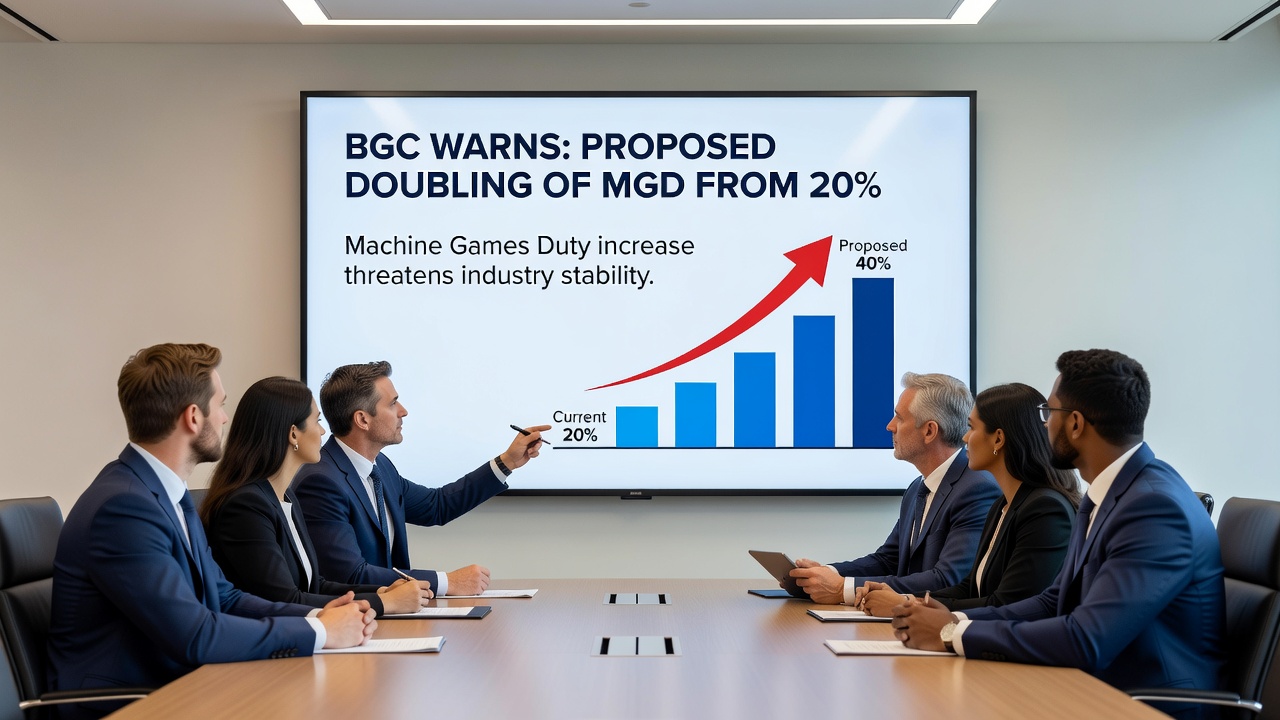
The Betting and Gaming Council has issued a warning that plans to double Machine Games Duty from 20% to 40% could lead to the cancellation or reduction of more than £50 million worth of investments from a total pipeline exceeding £200 million in new and redeveloped casino venues throughout the UK, and the organization points to specific projects in Bristol, Cardiff, Bournemouth along with Genting’s Trocadero redevelopment in London as examples now under review.
Details of the Proposed Tax Change and Industry Response
According to the council the duty increase would apply directly to gaming machines in casinos and similar venues, and operators have already begun reassessing capital expenditure commitments because higher operating costs reduce the commercial viability of several planned sites, while the same analysis indicates that more than £50 million of the overall £200 million investment program faces either delay or outright cancellation if the rate change takes effect.
Those monitoring the sector note that the Betting and Gaming Council represents major operators and that its assessment draws from member data on committed projects, yet the warning arrives at a time when several local authorities continue to approve planning applications for new entertainment districts that would incorporate casino facilities as anchor attractions.
Specific Projects Facing Uncertainty
Developments listed in the council statement include a venue in Bristol that would form part of a broader waterfront regeneration scheme, a Cardiff site intended to support tourism growth in the Welsh capital, a Bournemouth location designed to revitalize the seafront economy, and the ongoing redevelopment of the Trocadero complex in central London by Genting, each of which now carries revised timelines or scope adjustments under consideration by their respective developers.
Observers note that these projects collectively represent a significant portion of the £200 million total pipeline and that any scaling back would affect not only construction activity but also the long-term operational footprint of casino gaming in those cities.
Recent Closure Provides Context for Current Concerns
Genting Casinos closed its Coventry venue earlier this year after determining that continued operation had become commercially unsustainable under existing and anticipated tax pressures, and the Betting and Gaming Council cites this decision as an illustration of how duty levels influence venue viability, with the closure removing a local employer and entertainment option while highlighting similar risks for other sites if the proposed rate reaches 40%.
The Coventry example demonstrates how tax adjustments can accelerate decisions to exit markets, and industry figures show that the wider casino sector directly employs more than 10,000 people across the UK, many of whom work in roles tied to gaming floor operations, hospitality services, and venue management.
Employment and Economic Ripple Effects
Data from the sector indicates that direct employment exceeds 10,000 positions, while indirect roles in supply chains, local transport, and nearby retail businesses add further economic activity in host towns and cities, and any reduction in planned venue openings would therefore affect both immediate job creation and sustained contributions to local authority revenues through business rates and tourism spending.
Regeneration programs in several cities have incorporated casino developments as catalysts for broader investment, and the Betting and Gaming Council statement emphasizes that scaling back or cancelling projects risks undermining those strategies at a point when post-pandemic recovery in leisure and hospitality remains incomplete in many regions.
Broader Context for Casino Investment Decisions
Operators evaluate capital projects against long-term cost projections that include tax liabilities, and the proposed doubling of Machine Games Duty alters those projections enough to prompt reviews of more than a quarter of the current £200 million investment total, according to the council’s member survey, while the remaining projects continue under active monitoring for any further policy shifts.
Local economies that have approved casino licenses as part of entertainment districts now face the possibility that some approved venues may open at reduced scale or not at all, and planners in Bristol, Cardiff, Bournemouth, and Westminster are among those tracking developments closely as the tax proposal advances through legislative stages.
Conclusion
The Betting and Gaming Council’s assessment links the proposed Machine Games Duty increase to concrete risks for over £50 million of planned investment, to the recent Coventry closure, and to employment levels above 10,000 direct positions, and the organization continues to share its analysis with policymakers as the duty rate debate proceeds. Further updates on individual project timelines remain dependent on the final tax decision and subsequent operator reviews.