23 Oct 2026
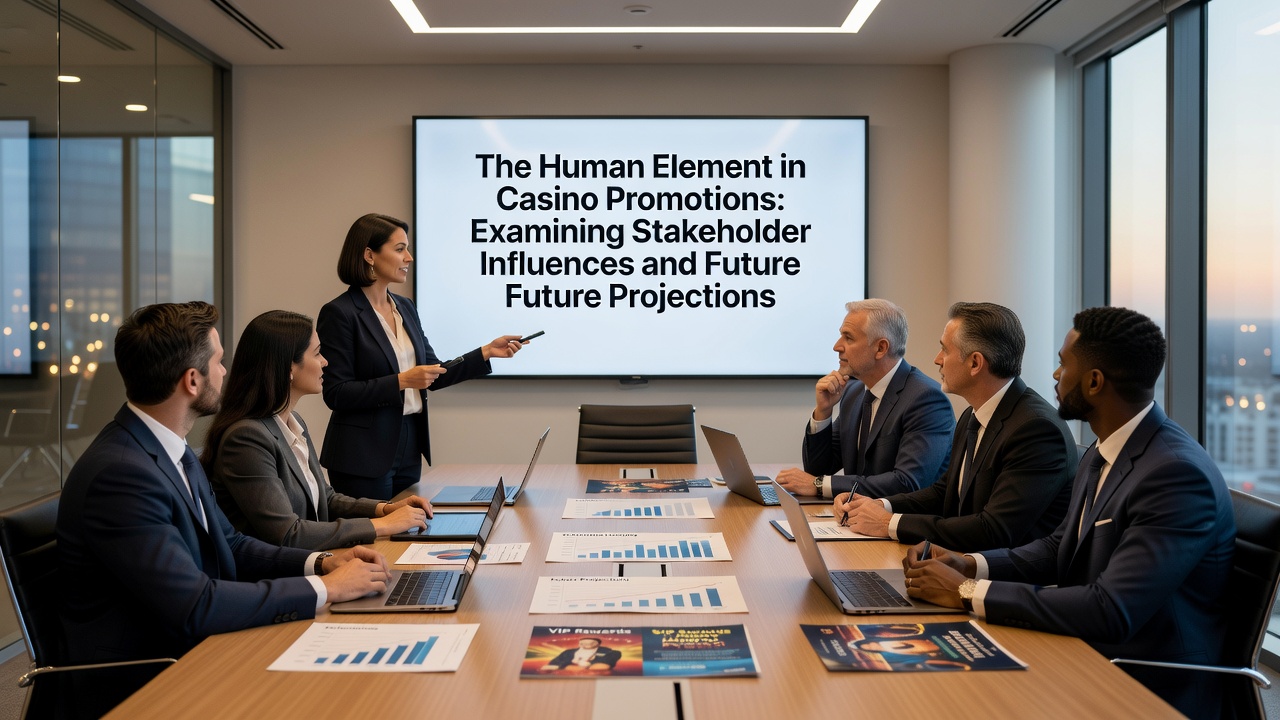
The Human Element in Casino Promotions: Examining Stakeholder Influences and Future Projections

Stakeholder interactions shape casino promotions in ways that extend beyond simple marketing tactics, and researchers have documented how player preferences, operator strategies, regulatory frameworks and affiliate networks combine to determine campaign outcomes across multiple jurisdictions. Data from industry reports shows that human decision-making at each level affects everything from bonus structures to loyalty program design, while future projections point toward continued reliance on personal relationships even as technology advances. Observers note that these dynamics remain consistent because promotions ultimately depend on trust between parties rather than automated processes alone.
Mapping the Key Stakeholder Groups
Players represent the most visible group, yet their influence operates through collective behavior patterns that operators track via loyalty card data and session analytics. Research indicates that individuals who respond to time-limited offers often drive seasonal revenue spikes, and those patterns in turn prompt casinos to adjust promotion frequency and reward tiers. Casino staff, including floor managers and customer service teams, interpret these trends on site and feed observations back to marketing departments, creating feedback loops that refine future campaigns. Regulators from agencies such as the Nevada Gaming Control Board and the Australian Communications and Media Authority set boundaries that limit certain mechanics, forcing operators to redesign offers within compliance limits while still meeting player expectations.
Affiliates and third-party marketers occupy another layer, negotiating commission structures that reward traffic volume and player retention metrics. Their negotiations with casino management teams frequently determine which promotions receive prominent placement on review sites and comparison platforms, and industry organizations like the European Gaming and Betting Association have published guidelines that encourage transparent disclosure of these relationships. Technology providers supplying customer relationship management systems add further human input because software customization requires collaboration between developers and casino executives who understand local market conditions.
How Player Behavior Shapes Promotion Mechanics
Studies from academic institutions reveal that demographic differences among players lead operators to segment promotions by age group, preferred game type and visit frequency. Younger adults who favor mobile access tend to engage more with instant-win bonuses, whereas older demographics respond better to tiered loyalty rewards that accumulate over multiple visits. These distinctions emerge from direct observation rather than abstract modeling, and casino teams adjust creative elements such as email subject lines and push notification timing accordingly. When a promotion fails to meet performance targets, analysts review session logs and conduct follow-up surveys to identify where human expectations diverged from the offer presented.
One case documented by researchers at a North American university showed that introducing staff recommendations alongside digital offers increased redemption rates because players valued personal endorsements from familiar dealers and hosts. This finding highlights how interpersonal connections continue to complement automated systems even in large-scale operations.
Regulatory Oversight and Its Direct Effects
Regulatory bodies enforce rules that require clear disclosure of wagering requirements and expiration dates, and compliance officers within each casino work alongside legal teams to translate these mandates into readable promotion copy. In October 2026 the International Association of Gaming Regulators plans to convene a working group focused on cross-border promotion standards, an event expected to influence how operators coordinate campaigns across multiple licensing jurisdictions. Such gatherings bring together human experts who balance consumer protection goals against commercial viability, resulting in incremental policy adjustments rather than wholesale changes.
Operators report that early consultation with regulators during promotion development reduces later revision cycles and associated costs. This collaborative approach appears in jurisdictions where regulators publish advance guidance documents that outline acceptable mechanics before operators finalize campaign calendars.
Internal Teams and External Partners in Campaign Execution
Marketing departments coordinate with finance, legal and operations units to ensure that promised rewards align with available budgets and floor capacity. Project managers track timelines that incorporate input from each department, and their role becomes especially visible when last-minute regulatory clarifications require rapid rewrites of terms and conditions. External partners such as creative agencies and data analytics firms contribute specialized skills that internal teams may lack, yet final approval always rests with casino executives who carry responsibility for brand reputation.
Figures from industry associations indicate that successful promotions often result from iterative discussions among these groups, with each stakeholder testing assumptions against real-world constraints. Affiliates, for instance, provide front-line feedback about which offer elements resonate most strongly with their audiences, allowing operators to refine messaging before wider rollout.
Future Projections Through 2026 and Beyond
Analysts project that personalization will intensify as casinos integrate more granular player data, yet human oversight will remain essential for interpreting context and preventing unintended exclusions. Reports from research firms forecast growth in hybrid promotions that combine digital delivery with in-person redemption experiences, reflecting continued demand for social interaction within casino environments. By late 2026, observers anticipate that regulatory frameworks will emphasize responsible gaming features embedded directly into promotion interfaces, requiring ongoing collaboration between compliance teams and software developers.
Stakeholder influence is expected to expand into emerging areas such as virtual reality promotions and tournament structures that rely on live participant engagement. Industry conferences scheduled for the coming years will likely feature case studies demonstrating how operator staff adapted automated tools to preserve the personal touch that differentiates one casino brand from competitors. These developments suggest that while technology will handle routine calculations and targeting, the human decisions about tone, timing and fairness will continue to determine which promotions succeed in competitive markets.
Conclusion
The interplay among players, staff, regulators, affiliates and technology partners creates a complex environment where casino promotions evolve through continuous negotiation rather than top-down directives. Evidence from regulatory filings, academic studies and operational reports demonstrates that human judgment at multiple points determines both immediate campaign performance and longer-term industry direction. Projections for 2026 indicate that this human element will persist alongside technological advances, shaping promotions that remain responsive to diverse stakeholder needs across global markets.