6 Nov 2026
Stakeholder Networks Redefining Reward Allocation in Online Entertainment Platforms
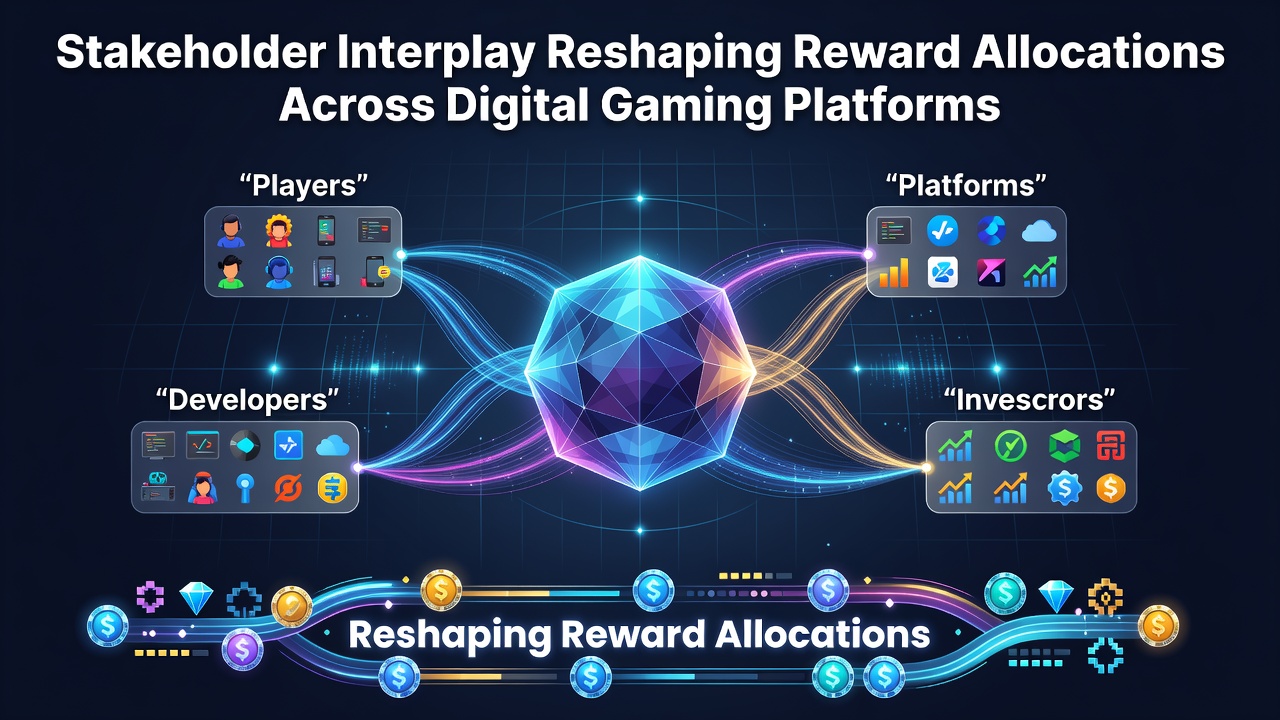
Digital gaming platforms have seen reward systems evolve through coordinated actions among developers, operators, payment processors, and regulatory bodies, and data from industry reports shows these interactions now determine how incentives reach end users. Multiple parties negotiate terms that affect bonus structures, loyalty programs, and prize pools, while platform algorithms adjust allocations based on user engagement metrics collected across regions.
Payment providers and game studios often coordinate on reward timing, and this coordination influences when players receive bonuses tied to deposits or achievements. Regulatory updates scheduled for November 2026 in several jurisdictions will require clearer disclosure of how these stakeholder agreements shape reward values, which means operators must document allocation formulas more precisely than before.
Key Participants and Their Roles
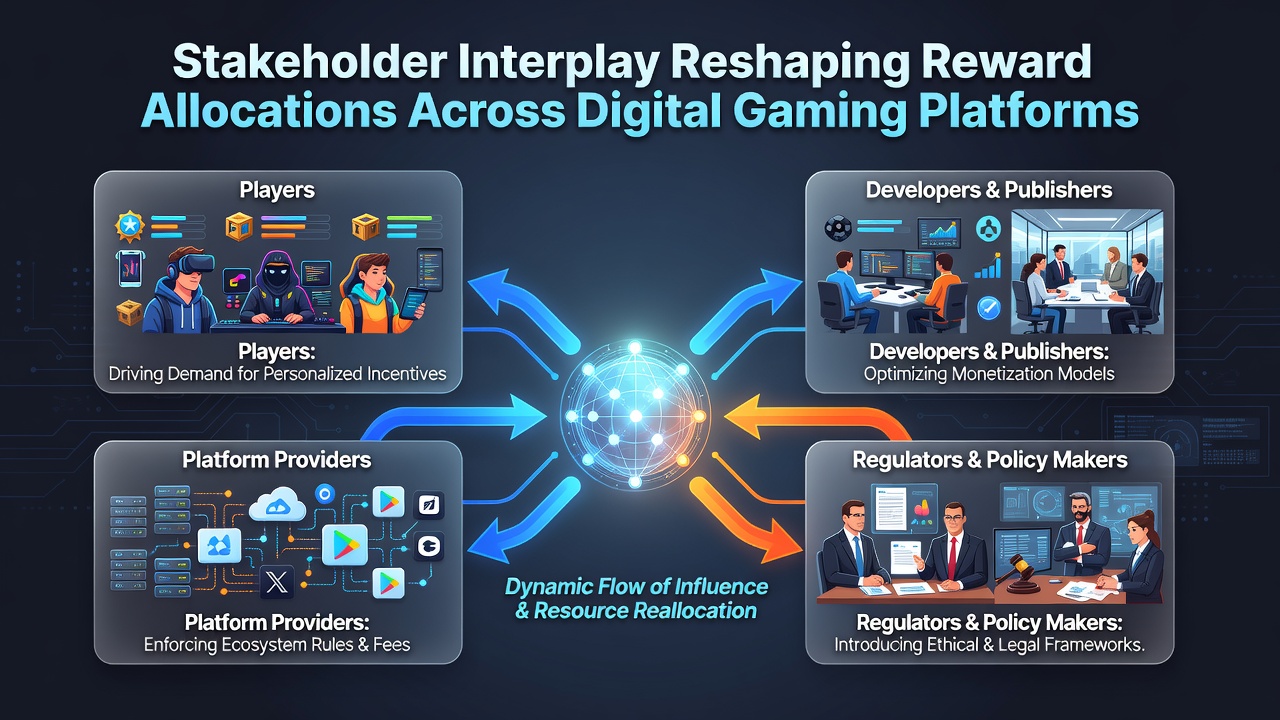
Developers supply the underlying game mechanics that generate reward triggers, whereas operators manage distribution through marketing campaigns and account interfaces. Observers note that payment processors add another layer by setting transaction fees that can reduce the net value of rewards passed to users, and these fees vary by region and payment method. Research from the Alcohol and Gaming Commission of Ontario indicates that integrated systems between these groups have increased the speed of reward delivery by 18 percent over the past two years.
Third-party analytics firms contribute data models that predict which reward types retain players longest, and operators apply these models when negotiating with studios over revenue shares. Those models rely on aggregated user behavior across multiple platforms, which creates feedback loops where successful reward formats get replicated quickly.
Regional Variations in Allocation Practices
European markets show tighter integration between operators and national tax authorities, and this integration affects how reward pools are calculated after deductions. In contrast, North American state-level frameworks allow more flexibility in promotional structures, although data sharing requirements are expanding. Figures from the Victorian Commission for Gambling and Liquor Regulation reveal that cross-border platforms must reconcile differing rules when allocating the same reward pool to users in multiple locations.
One study from the University of Las Vegas gaming research center tracked 12 major platforms and found that stakeholder contracts now include clauses specifying minimum reward percentages for certain game categories. These clauses emerged after operators noticed that uneven allocations reduced overall platform retention rates.
Impact of Contractual Agreements
Contracts between studios and operators increasingly specify how in-game events trigger rewards, and these specifications limit operator discretion over prize sizing. Payment processors enforce additional constraints through settlement timelines, which forces platforms to maintain reserve funds for pending rewards. Analysts at the European Gaming and Betting Association have documented a rise in multi-party agreements that tie reward budgets to performance benchmarks measured quarterly.
Platforms that adopted shared dashboards for tracking stakeholder contributions report faster resolution of disputes over reward shortfalls. These dashboards display real-time contribution percentages from each participant, allowing adjustments before allocation cycles complete.
Future Adjustments Expected by Late 2026
Upcoming compliance deadlines in November 2026 will require platforms to publish simplified summaries of how rewards are divided among contributing parties. Regulators in multiple regions have signaled that failure to meet transparency standards could result in restricted promotional activities. Industry groups are preparing template disclosures that list the percentage of reward value retained by each stakeholder category, and these templates are already circulating among major operators.
Technical updates to platform APIs will allow studios to monitor reward distribution directly, reducing reliance on operator reports. This change stems from earlier instances where mismatched data led to renegotiated revenue splits.
Conclusion
Stakeholder interplay continues to determine the structure and timing of rewards across digital gaming platforms, with contractual terms, regulatory timelines, and data-sharing practices shaping outcomes. As November 2026 approaches, platforms that maintain transparent records of these interactions will face fewer compliance obstacles while continuing to adjust reward allocations based on collective input from all involved parties.