20 Nov 2026
Seasonal Shifts in Player Recruitment Methods Among Major Gaming Operators
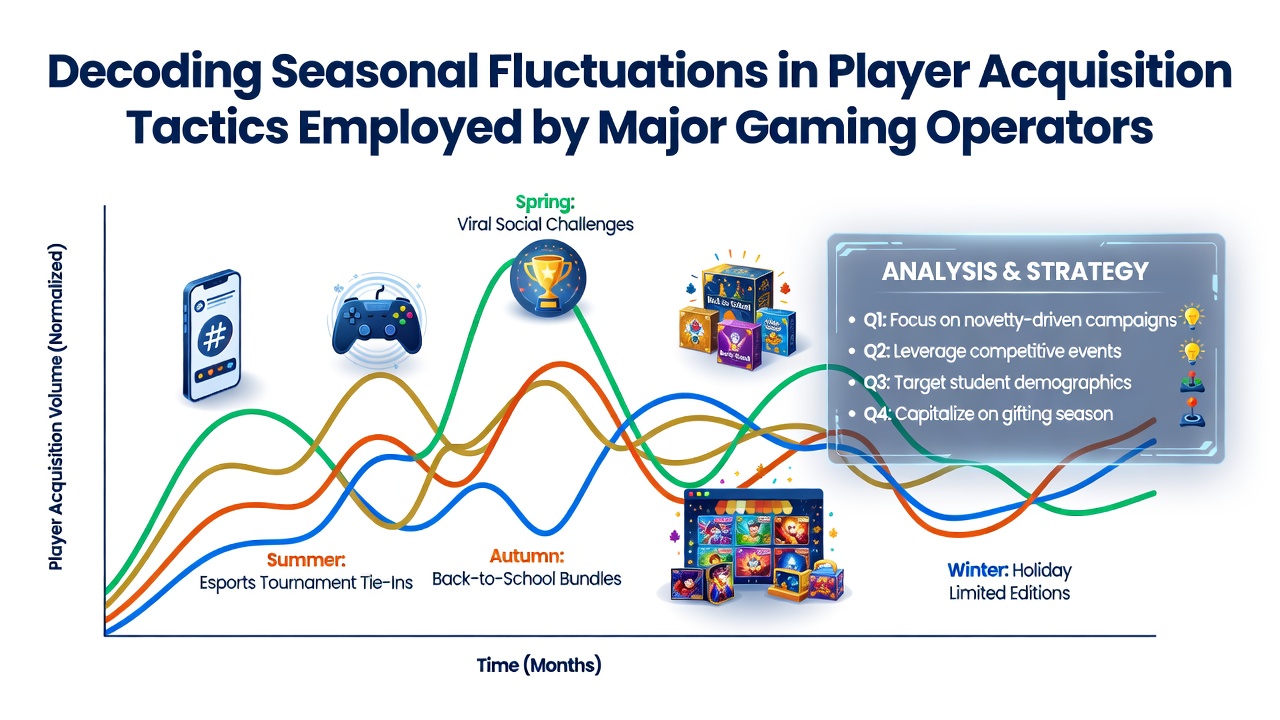
Operators in the gaming sector adjust their player acquisition approaches throughout the year because demand patterns change with holidays, sporting calendars, and weather shifts, while data from industry reports indicates that acquisition costs drop during peak engagement periods yet rise sharply in slower months. Research from the American Gaming Association shows that companies track these cycles closely and reallocate marketing budgets to match expected user behavior, with summer months often seeing emphasis on mobile app promotions whereas winter campaigns focus on loyalty programs that encourage longer sessions.
Patterns Across Calendar Quarters
Analysts have documented consistent quarterly variations where first-quarter tactics lean toward new-year resolution themes that highlight skill-based games, and figures reveal increased spend on social media targeting in regions like North America and Australia during this time. Second-quarter efforts shift toward outdoor event tie-ins, with operators partnering with sports leagues to run acquisition drives that coincide with major tournaments, and evidence from the European Gaming and Betting Association suggests conversion rates improve when campaigns reference live events rather than generic offers. Third-quarter strategies emphasize vacation periods, where free trial mechanics and referral bonuses see heavier use because families and groups participate more frequently, whereas fourth-quarter activity builds around holiday gatherings with bundled promotions that encourage group sign-ups.
November 2026 Adjustments
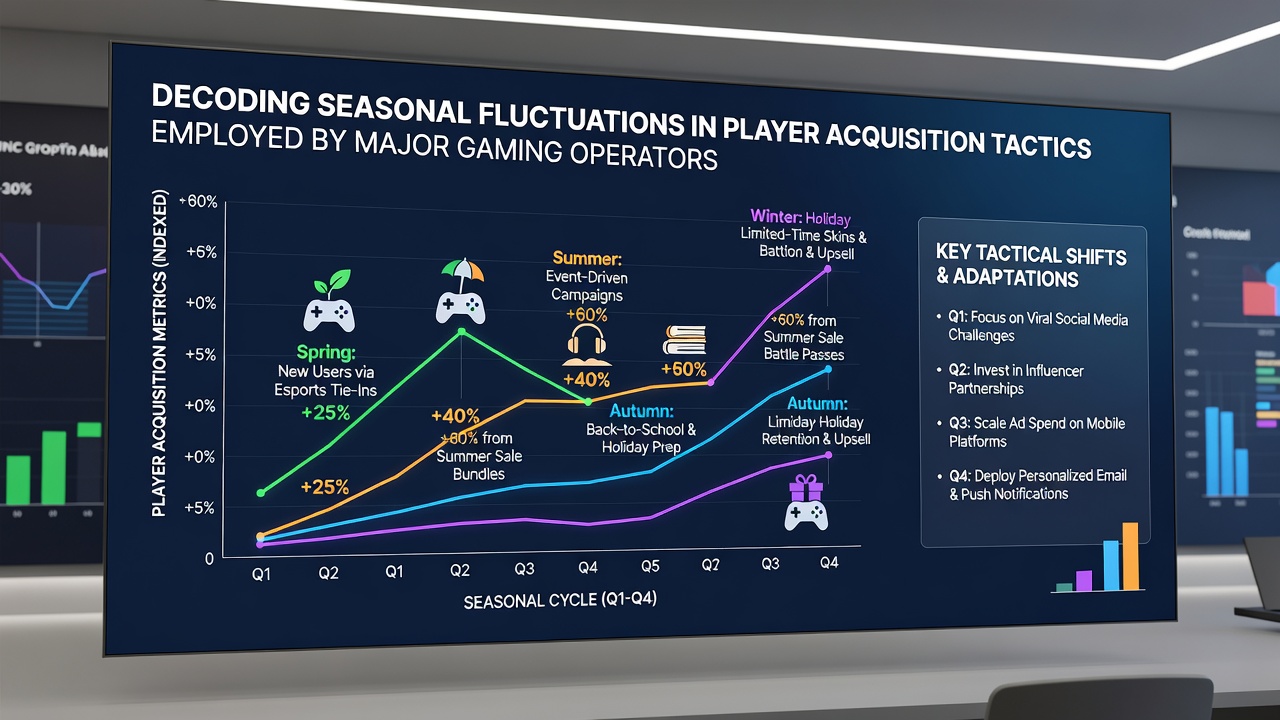
In November 2026 operators prepared for year-end surges by refining email sequences and push notifications that highlighted upcoming festive periods, and data collected through platform analytics indicated higher open rates when messages referenced seasonal entertainment rather than standard bonuses. Those monitoring these campaigns noted that acquisition volumes rose steadily after mid-November once holiday travel schedules became fixed, prompting companies to increase bids on search terms related to indoor entertainment options. Observers at research institutions tracking cross-border markets reported that Canadian and Australian operators mirrored these moves with localized content that aligned with regional celebrations, while European platforms tested staggered rollouts to avoid overlapping regulatory reporting windows.
Tactical Tools and Channel Choices
Companies deploy different channels depending on the season because user attention spans vary, with spring campaigns often favoring influencer partnerships that reach younger demographics and autumn drives leaning on affiliate networks that target established players. Studies conducted by university research groups have shown that video advertising performs better during months with major sporting finals, whereas text-based messages convert more reliably in quieter periods when users seek straightforward onboarding processes. Major operators also adjust creative assets, swapping bright summer imagery for darker, cozy winter visuals that match indoor play habits, and internal metrics confirm these swaps reduce bounce rates on landing pages.
Regional Variations and Data Sources
Geographic differences influence how operators time their moves, because regulatory calendars and cultural events differ across markets, with North American firms coordinating around football seasons while Asian platforms focus on lunar new year cycles. Reports from government agencies in Australia highlight that acquisition spend peaks align with tax refund periods, whereas European data points to summer vacation windows as high-opportunity stretches. Those examining cross-platform trends note that mobile-first tactics gain traction in warmer months when users travel, and desktop campaigns strengthen when colder weather keeps people indoors for extended sessions.
Conclusion
Overall patterns demonstrate that gaming operators treat seasonal fluctuations as predictable inputs rather than random events, and they refine acquisition playbooks each year by layering historical performance data with emerging behavioral signals. Continued monitoring of these cycles allows firms to maintain steady user growth even as external factors like economic conditions shift, with the result that acquisition remains a core operational focus across the sector.